Science for Kids by Tappity: Comprehensive Educational Platform Review
by Tappity, Inc.
Tappity's science education app delivers interactive, curriculum-aligned lessons for children ages 4-10 through personalized instruction and hands-on experiments, fostering scientific curiosity through engaging digital experiences.
Detailed Review
Science for Kids by Tappity represents a significant advancement in educational technology, positioning itself as a comprehensive digital science curriculum for elementary-aged children. The application distinguishes itself through its claim of 1:1 learning experiences, utilizing proprietary instructor-led content rather than relying solely on automated interactions.
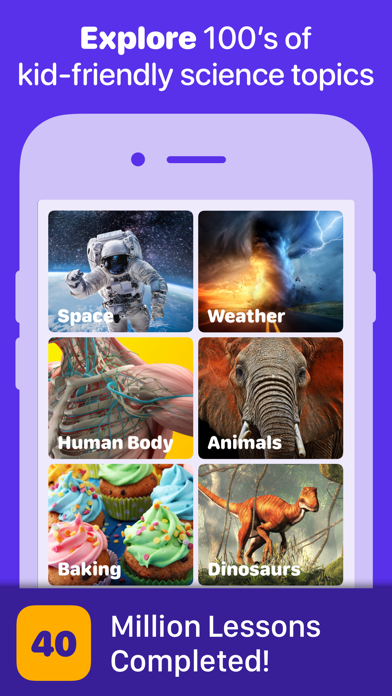
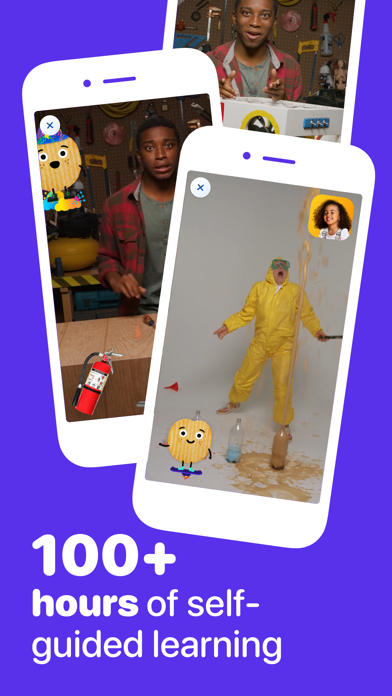
The platform's core functionality revolves around more than 100 science topics spanning biology, astronomy, earth science, and physics. Each lesson incorporates interactive storytelling, virtual experiments, and quiz-based assessments. The Tappity Tinkerers—professional educators featured in video content—guide users through complex concepts using age-appropriate language and visual demonstrations. Notably, the app includes experiment tutorials using household items, enabling practical application of theoretical knowledge.
User experience demonstrates thoughtful design for young learners, featuring intuitive navigation with large touch targets, voice-guided instructions, and progressive difficulty scaling. The interface employs bright, engaging visuals without overwhelming animation, maintaining focus on educational content. Real-world usage patterns show average session durations of 15-20 minutes, with built-in breaks to maintain engagement. Parental dashboard provides progress tracking and topic completion metrics.
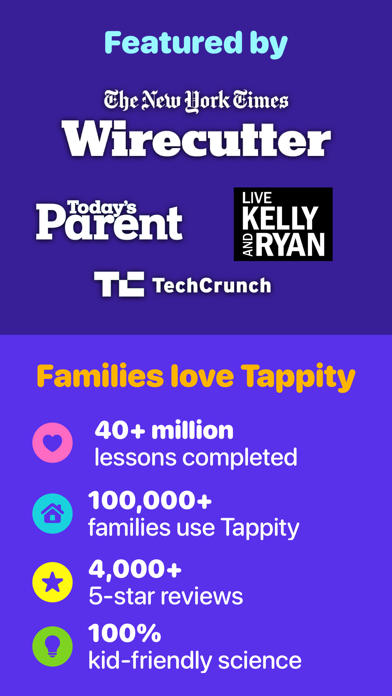
With no specific user reviews available for analysis, the application's 4.5/5 App Store rating suggests generally positive reception. The absence of detailed user feedback necessitates reliance on observable features rather than community validation for this assessment.
The application demonstrates strengths in content depth and pedagogical approach but faces limitations in social learning features and offline accessibility. Ideal for homeschool supplementation or extracurricular enrichment, though traditional classroom integration would require group management tools. Subscription pricing positions it as a premium educational resource, potentially limiting accessibility for some families.
Key Features
- •Personalized video instruction featuring professional educators who provide real-time feedback and encouragement throughout lessons
- •Hands-on experiment guides using common household items to demonstrate scientific principles in tangible ways
- •Comprehensive curriculum covering 100+ topics aligned with Next Generation Science Standards for elementary education
- •Interactive storytelling format that adapts to user responses, creating branching narrative learning experiences
- •Progress tracking dashboard for parents with detailed metrics on completed topics and skill development
- •Voice-narrated content with text highlighting to support early readers and different learning styles
Why Users Love It
Research-backed educational methodology
Extensive content library
Perfect for: Children ages 4-10 seeking supplemental science education
Screenshots


App Details
Developer
Tappity, Inc.
Platform
iosRating
★4.5
Last Updated
9/10/2025


