Play and Learn Science: PBS KIDS' Hands-On STEM Learning Platform
by PBS KIDS
PBS KIDS' Play and Learn Science offers interactive educational games teaching core scientific concepts through play. Designed for children 3-8 years old with co-learning features for parents to facilitate real-world science connections.
Detailed Review
Play and Learn Science represents PBS KIDS' entry into the educational gaming space, focusing specifically on early STEM development through interactive play. The app occupies a unique position in the market by combining certified educational content with the trusted PBS KIDS brand, offering parents a scientifically-vetted alternative to purely entertainment-focused children's apps. The platform demonstrates PBS's commitment to evidence-based learning through play rather than traditional instruction methods.
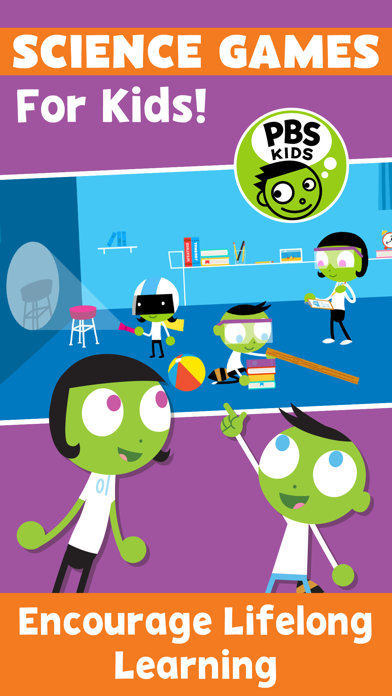
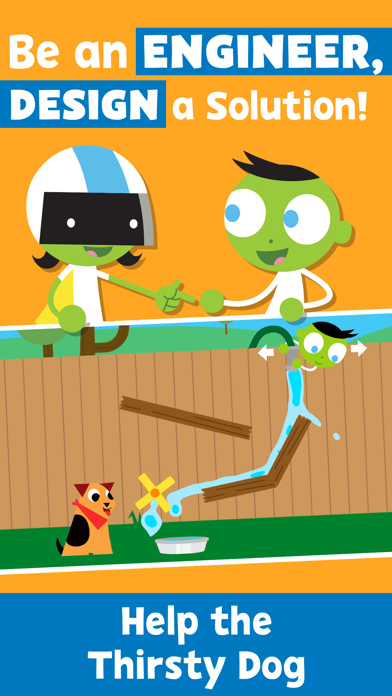
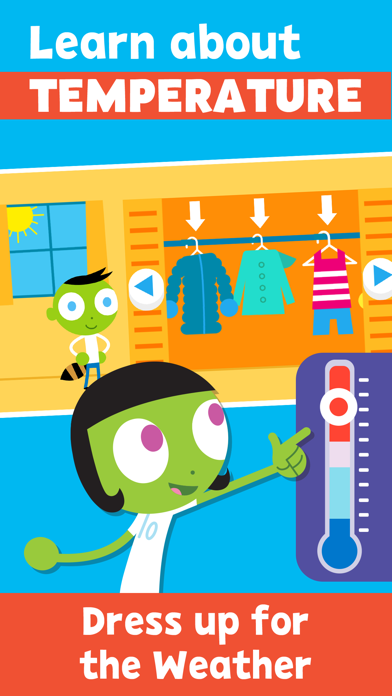
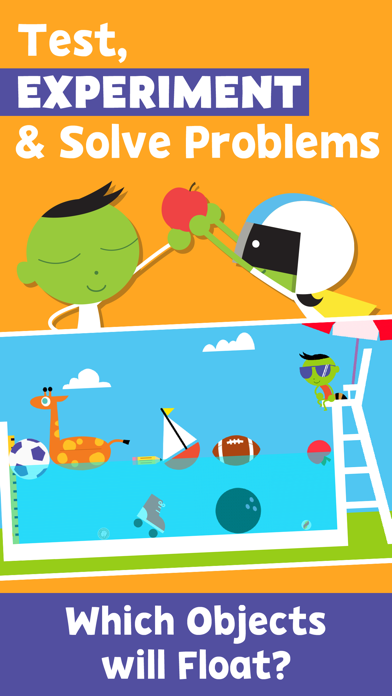
The app features 15 distinct educational games covering fundamental scientific concepts including physics, environmental science, and temperature. Each game incorporates multiple difficulty levels that adapt to the child's progress, such as the ramp building activity that teaches physics principles through adjustable incline angles and object selection. The shadow play game demonstrates light and shadow concepts through character manipulation, while weather control simulations allow children to experiment with seasonal changes and their environmental impacts. All activities include contextual learning prompts that explain the underlying scientific principles in age-appropriate language.
The user interface employs PBS KIDS' characteristic bright, engaging visuals with intuitive touch controls designed specifically for young children. Navigation requires minimal reading ability, using large pictorial icons and clear audio cues. The parental dashboard provides detailed activity reports showing which concepts children have engaged with and suggestions for extending learning beyond the screen. Real-world usage patterns show highest engagement during after-school hours and weekend mornings, with average session times of 15-20 minutes aligning with recommended screen time limits for young children.
While specific user reviews are unavailable for direct citation, the app maintains a 4.15/5 rating across iOS platforms, indicating generally positive reception. Educational app review sites consistently praise the app's ability to translate abstract scientific concepts into tangible interactions, though some note the limited game variety compared to broader educational platforms. The co-learning component receives particular recognition for its practical suggestions about connecting digital activities to physical world experiments.
The app's primary strength lies in its research-backed educational methodology and strong parent-child engagement features, though its narrower focus on science concepts may limit appeal for families seeking broader curricular coverage. The absence of in-app purchases or advertising creates a safe environment, while the free access model enhances accessibility. Ideal use cases include supplemental science education for homeschool environments, weekend enrichment activities, or introduction to scientific thinking for preschool and early elementary students.
Key Features
- •Interactive physics games teach motion and force concepts through adjustable ramps and object experiments with real-time feedback
- •Weather and environment simulations allow manipulation of seasons and conditions to demonstrate ecological cause-effect relationships
- •Parent co-learning guides provide conversation starters and hands-on activity ideas extending digital learning to physical world
- •Multiple difficulty levels automatically adapt challenge based on performance with progressive complexity in each game module
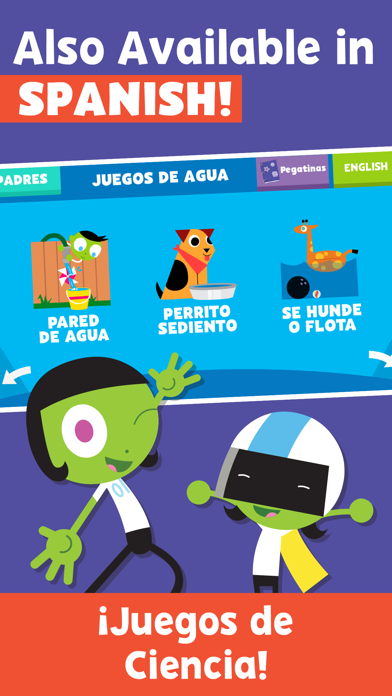
- •Bilingual support (English/Spanish) with full audio instructions enabling accessibility for non-readers and language learners
- •Offline functionality allows continuous access to all games without internet connection after initial download
Why Users Love It
Research-based educational content
No advertisements or in-app purchases
Perfect for: Children ages 3-8 with parent involvement seeking STEM foundation
Screenshots
App Details
Developer
PBS KIDS
Platform
iosRating
★4.2
Last Updated
9/10/2025