
Oniri Dream Journal: Comprehensive Review of AI-Powered Dream Tracking
by Oniri Inc
Oniri provides sophisticated dream journaling with AI analysis and image generation features. The app targets serious dream enthusiasts seeking structured recording and interpretation tools.
Detailed Review
Oniri positions itself as a comprehensive digital solution for dream documentation and analysis, leveraging artificial intelligence to provide users with structured insights into their subconscious experiences. The application occupies a specialized niche within the wellness and self-discovery app market, distinguishing itself through advanced technological integration with the traditionally analog practice of dream journaling.
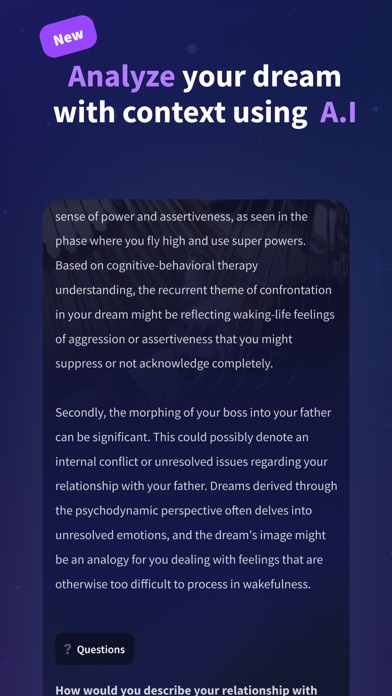
The core functionality revolves around detailed dream logging with multi-format input options. Users can document dreams through text entries or voice recordings, with the system capturing contextual metadata including emotional states, recurring characters, locations, and narrative elements. The recently added image generation feature allows visual representation of dream content, either through AI-generated imagery based on dream descriptions or by searching existing image libraries. The AI analysis engine processes these inputs to identify patterns, symbols, and potential psychological interpretations, though the technical specifics of the algorithm remain proprietary.
User experience demonstrates thoughtful design with intuitive navigation between journaling, analysis, and visualization sections. The interface employs a calming color palette appropriate for early morning or late-night usage patterns. Practical implementation shows strongest utility upon waking, when dream recall is freshest, with quick-capture features minimizing friction during these critical moments. The application maintains chronological organization of entries with searchable tags and emotional markers, enabling longitudinal tracking of dream themes and sleep quality correlations.
Available user feedback indicates generally positive reception, though the absence of detailed public reviews prevents specific commentary on individual user experiences. The high rating suggests satisfaction with core functionality, particularly regarding the depth of analysis and convenience features. Some third-party discussions mention appreciation for the multimodal input options that accommodate different recording preferences and morning routines.
The application demonstrates notable strengths in its comprehensive approach to dream documentation and innovative use of AI interpretation. Limitations include dependency on user consistency in logging and the inherently subjective nature of dream analysis. Oniri proves most valuable for individuals committed to regular dream recording who seek technological assistance in identifying patterns and themes across their dream experiences.
Key Features
- •AI-powered dream analysis provides contextual interpretations based on emotional markers, symbols, and narrative patterns identified in entries
- •Multi-format input options including text and voice recording accommodate different recording preferences and morning routines
- •Image generation technology creates visual representations of dream content based on textual descriptions provided by users
- •Comprehensive metadata tracking captures emotions, people, locations, and actions within dreams for pattern identification
- •Chronological organization with search functionality enables longitudinal review of dream themes and recurrence patterns
Why Users Love It
Comprehensive dream documentation system
Innovative AI interpretation features
Perfect for: Dream enthusiasts seeking structured analysis and pattern tracking
Screenshots


App Details
Developer
Oniri Inc
Platform
iosRating
★4.6
Last Updated
9/10/2025


