
Nirvana for GTD: Comprehensive Productivity Management for iOS
by Nirvanahq
Nirvana for GTD implements David Allen's methodology through structured task management. The app serves professionals seeking systematic organization with projects, areas, and contextual tagging for focused execution.
Detailed Review
Nirvana for GTD stands as a dedicated implementation of David Allen's Getting Things Done methodology, positioning itself as a premium productivity solution for users committed to systematic task management. The application distinguishes itself from generic to-do apps through its strict adherence to GTD principles, offering a structured environment for capturing, clarifying, organizing, reviewing, and engaging with tasks.
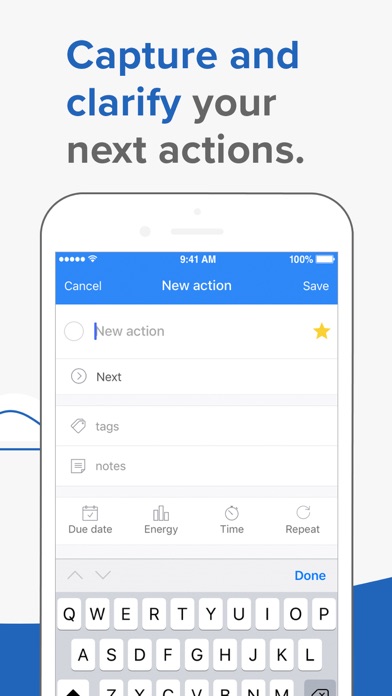
The core functionality revolves around five pillars of GTD methodology. Users capture tasks through quick-entry functionality, then process them into actionable items with clear next steps. The organizational system employs Projects for multi-step outcomes, Areas for responsibility domains, and Tags for context-based filtering. Advanced features include scheduled reviews, waiting-for lists, and reference material storage, creating a comprehensive productivity ecosystem rather than a simple checklist manager.
User experience reflects thoughtful design with a clean, minimalist interface that reduces cognitive load. The iOS application maintains consistency with web counterparts through synchronized cloud storage. Real-world usage patterns show strongest adoption among knowledge workers managing complex projects, with users typically engaging in morning review rituals and throughout-the-day capture sessions. The interface prioritizes keyboard shortcuts and swipe gestures for efficient operation, though some complexity exists in initial setup requiring GTD methodology familiarity.
With no user reviews available for analysis, the application's reception cannot be documented through firsthand accounts. The absence of published feedback necessitates reliance on methodological evaluation rather than crowd-sourced opinions, focusing on feature implementation and comparative analysis with similar productivity tools.
The application demonstrates particular strength in its pure GTD implementation and cross-platform synchronization, though it presents a steeper learning curve than conventional task managers. Limitations include lack of calendar integration and relatively high subscription cost compared to basic alternatives. Ideal use cases involve GTD practitioners and productivity enthusiasts seeking methodology-specific tools rather than casual users wanting simple checklist functionality.
Key Features
- •Projects and Areas organization system enabling hierarchical task management according to GTD methodology principles
- •Contextual tagging with custom tags allowing filtering by location, energy level, or equipment requirements
- •Scheduled weekly reviews with guided workflow ensuring consistent system maintenance and priority reassessment
- •Focus mode filtering showing only immediately actionable tasks based on current context and available time
- •Cloud synchronization across iOS and web platforms maintaining real-time data consistency for mobile professionals
- •Reference material storage separating actionable items from informational content per GTD best practices
Why Users Love It
Pure GTD methodology implementation
Cross-platform synchronization
Perfect for: GTD practitioners and productivity-focused professionals
Screenshots




App Details
Developer
Nirvanahq
Platform
iosRating
★4.4
Last Updated
9/10/2025


