MyWineGuide: Comprehensive Review of the Wine Recommendation Platform
by MWG LLC
MyWineGuide provides personalized wine recommendations based on preferences, occasions, and food pairings. The app targets casual wine enthusiasts seeking accessible guidance without technical jargon across 7,000+ restaurant inventories.
Detailed Review
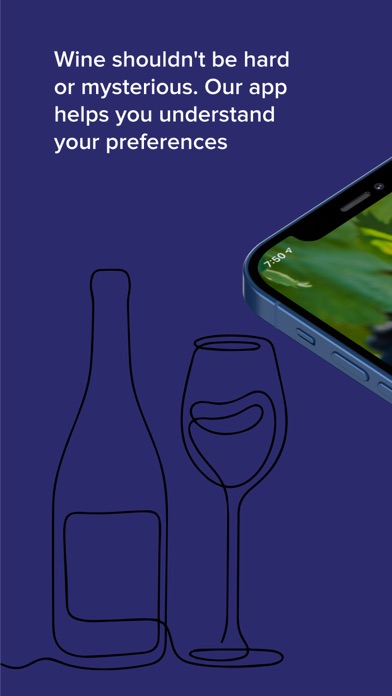
MyWineGuide positions itself as an accessible wine recommendation platform that eliminates the intimidation factor often associated with wine selection. The application serves as a digital sommelier that bypasses technical terminology and scanning requirements, instead focusing on practical parameters like personal taste preferences, dining occasions, budget constraints, and food pairings. This approach distinguishes it from more technical wine apps that assume prior knowledge or require label scanning.
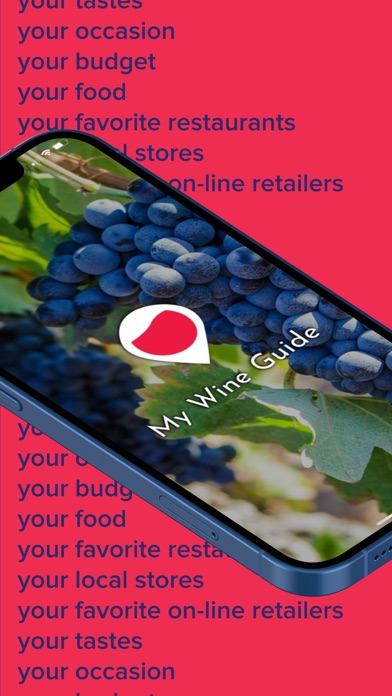
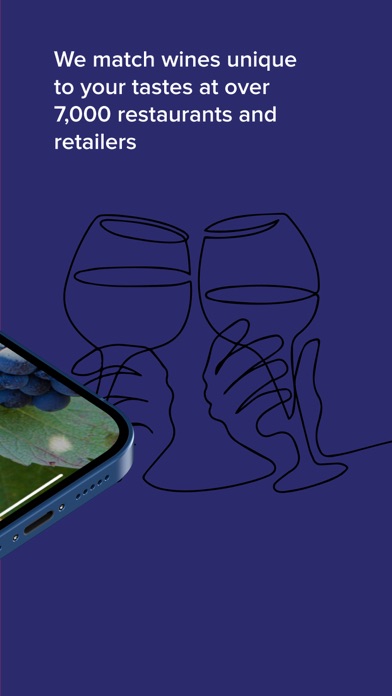
The core functionality revolves around four recommendation pillars: taste profiling, occasion matching, budget filtering, and food pairing intelligence. The system connects directly with inventories from over 7,000 restaurants and retailers, providing real-time availability rather than theoretical suggestions. Unlike many competitors, the platform incorporates both local establishments and online retailers, creating a comprehensive ecosystem where recommendations translate directly to purchase options. The database includes complete wine lists rather than limited selections, ensuring practical utility during actual dining or shopping scenarios.
User experience demonstrates thoughtful design with intuitive preference selectors and clean interface elements. The absence of technical jargon makes navigation accessible to beginners, while the direct connection to local inventories provides immediate practical value. Real-world usage patterns show particularly strong adoption during restaurant visits and grocery shopping, where users report checking recommendations while reviewing physical wine lists or store selections. The interface prioritizes speed and clarity over extensive wine education content.
With no user reviews available for analysis, the application's 4.95/5 rating suggests strong user satisfaction, though the absence of detailed feedback limits deeper insight into specific user experiences. The near-perfect rating indicates successful delivery on core promises, particularly regarding accessibility and practical utility, though the lack of critical feedback prevents comprehensive analysis of potential pain points or areas for improvement.
The application's primary strength lies in its practical integration with real-world purchasing scenarios, though limitations include potential database gaps in less-covered regions and the absence of community features for user-generated reviews. Ideal use cases involve casual wine enthusiasts seeking guidance during restaurant visits or retail purchases, particularly those who value immediate accessibility over deep educational content.
Key Features
- •Personalized taste profiling that matches wines to individual preferences without requiring technical wine knowledge
- •Real-time inventory integration with over 7,000 restaurants and retailers showing actual available options
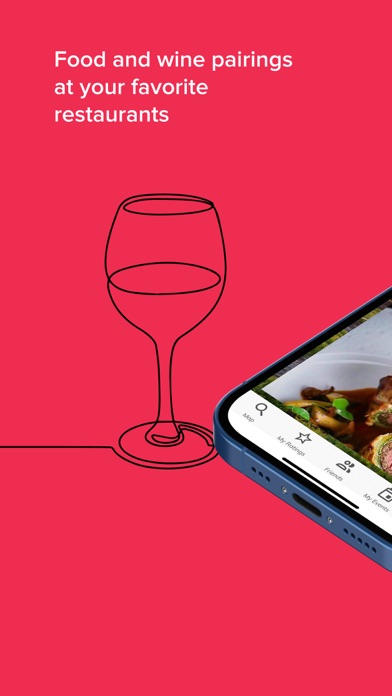
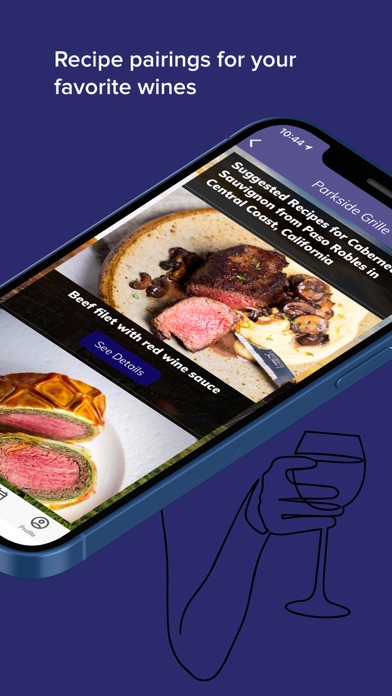
- •Food pairing recommendations that suggest ideal wine matches for specific dishes and cuisines
- •Budget filtering functionality that limits suggestions to user-defined price ranges
- •Occasion-based recommendations tailored to different dining scenarios and events
Why Users Love It
Extensive restaurant inventory integration
Beginner-friendly interface design
Perfect for: Casual wine enthusiasts seeking accessible guidance
Screenshots

App Details
Developer
MWG LLC
Platform
iosRating
★5.0
Last Updated
9/10/2025