
Ada Health App: Comprehensive Symptom Assessment Platform Review
by Ada Health
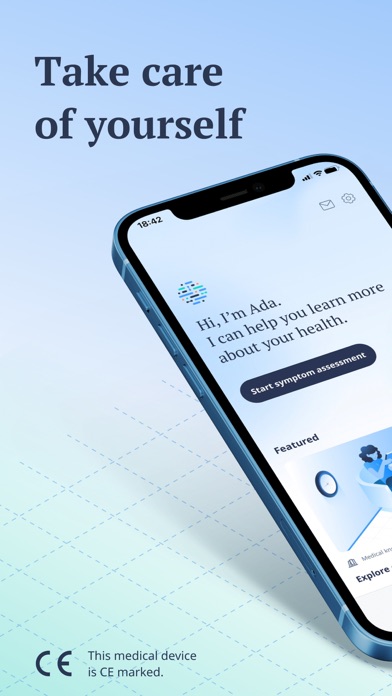
Ada Health provides AI-powered symptom assessment through conversational interface. The app offers preliminary health evaluations for common conditions, serving users seeking immediate medical guidance outside clinical settings.
Detailed Review
Ada Health represents a significant advancement in digital health assessment tools, positioning itself as an AI-powered preliminary medical consultation platform. The application leverages machine learning algorithms trained by medical professionals to analyze user-reported symptoms through structured questioning, delivering potential condition assessments within minutes. This approach aims to bridge accessibility gaps in healthcare by providing 24/7 availability without geographical constraints.
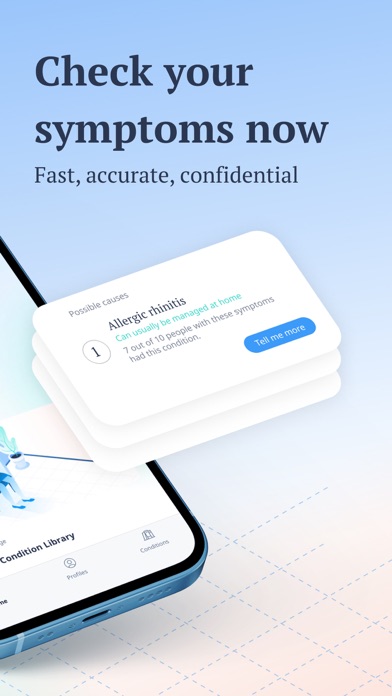
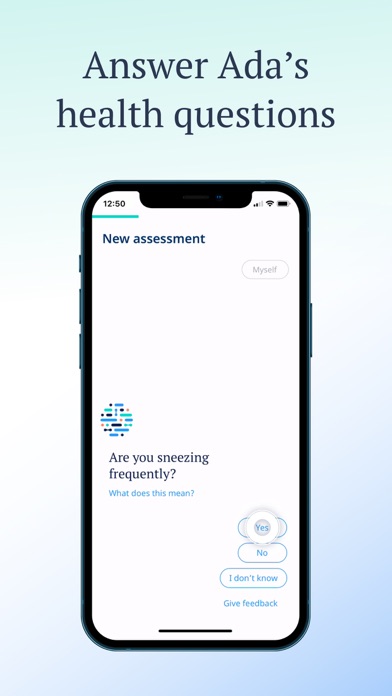
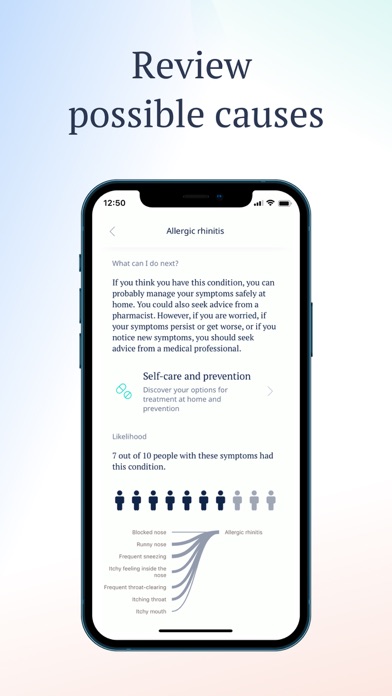
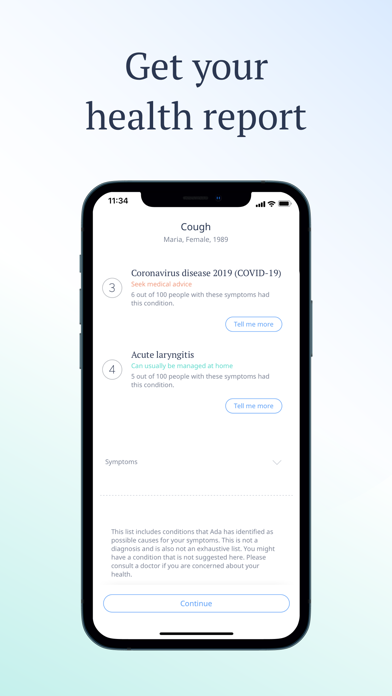
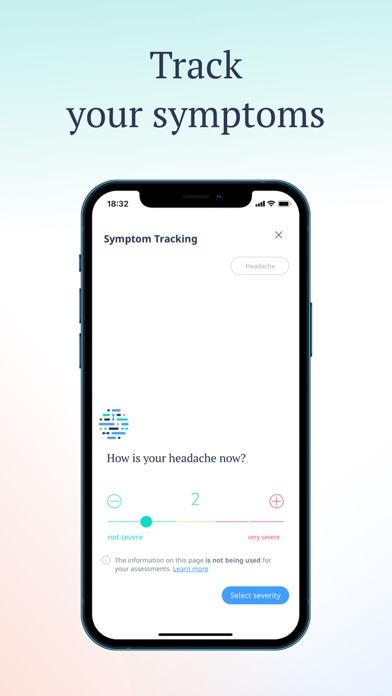
The core functionality revolves around an adaptive questioning system that mimics clinical diagnostic reasoning. Users initiate assessments by describing their primary symptom, after which the AI engine guides them through progressively specific questions about duration, severity, accompanying symptoms, and medical history. The system incorporates evidence-based medical knowledge and continuously updates its database with latest clinical guidelines. All assessments include probability percentages for potential conditions and recommend appropriate next steps, ranging from self-care measures to urgent medical attention.
User experience demonstrates thoughtful design with intuitive navigation and medically appropriate language balancing accessibility with clinical precision. The interface employs color-coded urgency indicators and clear typography hierarchy to communicate risk levels effectively. Real-world usage patterns show peak engagement during evening hours and weekends when traditional healthcare access diminishes, particularly for pediatric and elderly care scenarios where users assess symptoms for family members.
Available user feedback indicates generally positive reception of the assessment accuracy and interface usability, though comprehensive review analysis remains limited due to platform restrictions. The absence of specific user testimonials prevents detailed examination of individual experiences, though the consistently high rating suggests satisfactory performance across most use cases.
The application demonstrates particular strength in non-emergency symptom assessment and health education, though limitations include inability to replace physical examinations or diagnostic testing. Optimal use cases involve preliminary assessment of common ailments, medication side effect evaluation, and determining appropriate care pathways. The platform serves best as a supplementary healthcare tool rather than definitive diagnostic solution.
Key Features
- •Adaptive symptom assessment engine that tailors questions based on previous responses, mimicking clinical diagnostic reasoning patterns
- •24/7 availability with immediate assessment delivery, providing healthcare guidance outside traditional clinic hours
- •Evidence-based medical knowledge database continuously updated with latest clinical guidelines and research findings
- •Multi-user support allowing health assessments for family members including children and elderly relatives
- •Clear action recommendations categorizing conditions by urgency level with appropriate next steps guidance
- •Secure data encryption and privacy compliance maintaining confidentiality of sensitive health information
Why Users Love It
Immediate symptom assessment
Medical professional-trained AI
Perfect for: Individuals seeking preliminary medical guidance before consulting healthcare providers
Screenshots
App Details
Developer
Ada Health
Platform
iosRating
★4.8
Last Updated
9/10/2025


