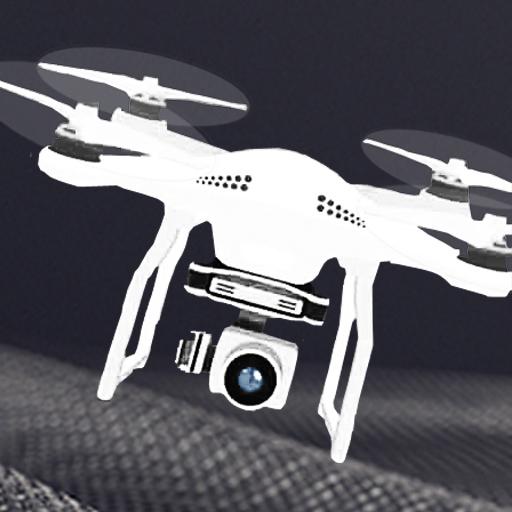
by cooingdv
Detailed Review
Key Features
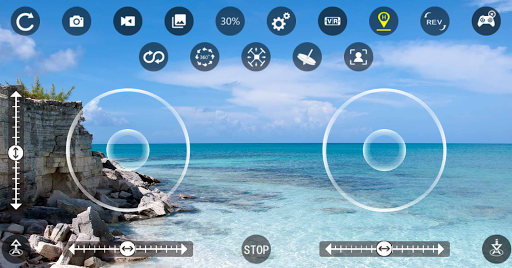
- •Virtual Transmitter Layout: Provides on-screen dual joysticks and function buttons designed to mimic the layout of a standard physical RC radio controller for intuitive operation.
- •Camera Control Integration: Allows users to start/stop video recording, take photos, and sometimes adjust exposure settings directly from the same interface used for flight control.
- •Wi-Fi Connectivity: Pairs with compatible drones using local Wi-Fi networks, eliminating the need for a separate dedicated radio receiver hardware.
- •Live Video Feed (if supported): Streams the drone's First Person View camera feed to the smartphone screen, acting as a basic FPV monitor for framing shots.
- •Customizable Control Scheme: Some versions let users adjust the on-screen joystick sensitivity and reposition interface elements to better suit different hand sizes and preferences.
- •Telemetry Data Display: May show basic flight information such as battery voltage, signal strength, and altitude overlaid on the control interface for situational awareness.
Why Users Love It
Perfect for: FPV drone owners seeking a free, emergency smartphone-based controller for compatible models.
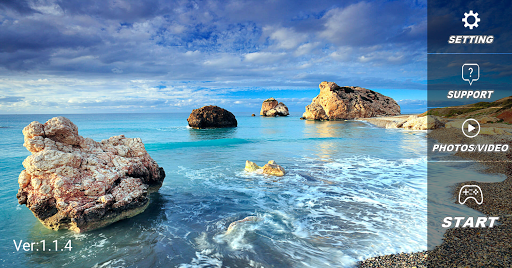
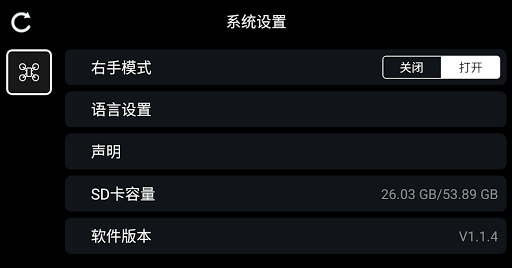
Screenshots

Ranking History
Track RC FPV's performance in Photography over the last 30 days
Current Rank
#25
Best Rank
#25
All-time high
Average Rank
#25
30-day average
User Reviews
the camera is great and if you don't know how to connect it download the app and go to wifi and connect it it should have ufo and go back to the app and press start and put It on your controller and your ready😀😃😀
the camera is great and if you don't know how to connect it download the app and go to wifi and connect it it should have ufo and go back to the app and press start and put It on your controller and your ready😀😃😀
the camera is great and if you don't know how to connect it download the app and go to wifi and connect it it should have ufo and go back to the app and press start and put It on your controller and your ready😀😃😀
Works good with my drone. I tried many other apps but they were not working. This one was good and easy for flying the drone. Dont know about images
Works good with my drone. I tried many other apps but they were not working. This one was good and easy for flying the drone. Dont know about images
App Details
Developer
cooingdv
Platform
androidRating
Last Updated
12/26/2025