by Hidden Lake Games LLC
Detailed Review
Key Features
- •Policy decision system allowing players to enact laws across economic, social and foreign policy domains with measurable public reaction
- •Election campaign mechanics featuring speech writing, rally management and opponent debates that determine political survival
- •Crisis management scenarios including natural disasters, protests and international incidents requiring immediate presidential attention
- •Approval rating system that dynamically responds to player decisions and affects political capital availability
- •Cabinet management interface for appointing virtual officials who provide statistical bonuses to specific policy areas
- •Budget allocation tools distributing limited national funds between military, education, healthcare and infrastructure programs
Why Users Love It
Perfect for: Political strategy enthusiasts who enjoy government simulation games
Screenshots


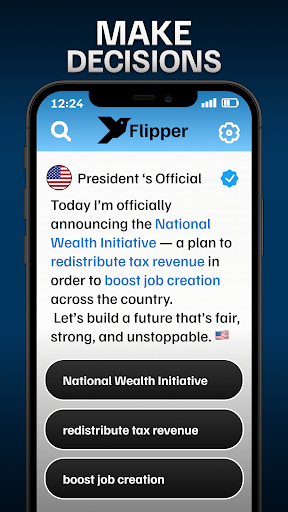

App Preview
User Reviews
get stuck early in the game coz i have to purchase tokens. now i have to uninstall. good game though
get stuck early in the game coz i have to purchase tokens. now i have to uninstall. good game though
get stuck early in the game coz i have to purchase tokens. now i have to uninstall. good game though
get stuck early in the game coz i have to purchase tokens. now i have to uninstall. good game though
wonderful experience, but it would be great to have to choice your country of origin, I'm Nigerian and would love to have a Nigerian president and political party, I think you guy's should work on that so that you can be able to select your country and a race as well. thank you 😊
App Details
Developer
Hidden Lake Games LLC
Platform
androidRating
Last Updated
11/9/2025