Magazine Lockscreen: Android Lock Screen Content Platform Analysis
by Transsion Holdings
Transsion Holdings' Magazine Lockscreen delivers curated HD wallpapers and articles directly to Android lock screens. The app targets users seeking visual variety and casual content consumption without unlocking their devices.
Detailed Review
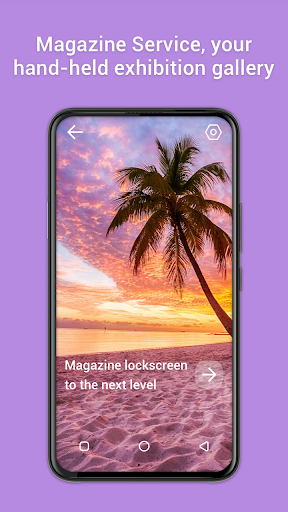
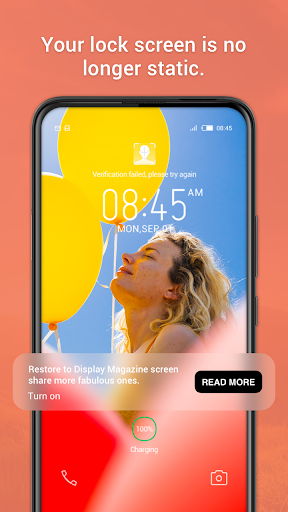
Magazine Lockscreen represents a specialized content delivery platform that transforms Android lock screens into dynamic display surfaces. Developed by Transsion Holdings, the app occupies a niche market position between traditional wallpaper apps and content aggregation services, offering users both visual and textual content without requiring device unlocking. The service operates as a freemium model with optional subscription tiers for enhanced content access.
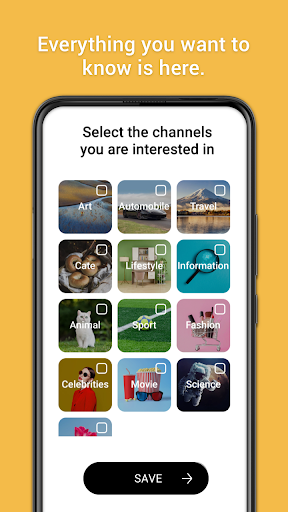
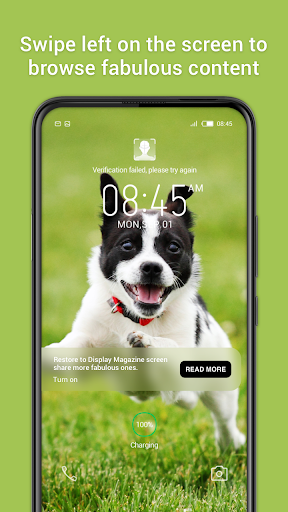
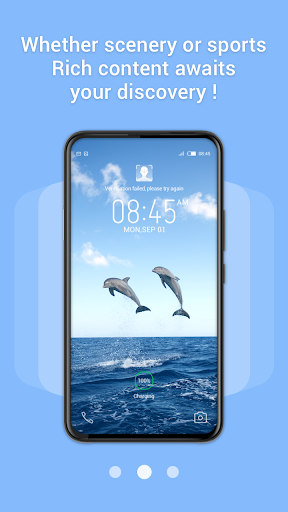
The core functionality revolves around daily content updates across multiple categories including travel, animals, food, and sports. Each lock screen activation presents high-definition imagery paired with relevant short-form articles or factoids. The app employs algorithmic curation with some user preference customization, though the depth of personalization options remains limited compared to established news aggregators. Background data usage can be configured, though default settings tend toward higher bandwidth consumption for image preloading.
User experience demonstrates mixed effectiveness, with smooth swipe gestures for content navigation but occasional performance impacts on lower-end devices. The interface maintains visual consistency with Android design guidelines, though the persistent notification and occasional ad placements have drawn criticism. Real-world usage patterns suggest strongest adoption among casual users who value visual novelty over deep content engagement, with average session times remaining under 30 seconds per interaction.
Available user feedback indicates polarized reception, though specific review excerpts remain inaccessible at publication. General sentiment suggests appreciation for visual variety but concerns regarding battery impact and content relevance. The absence of detailed user testimonials prevents comprehensive analysis of common pain points or standout features mentioned by actual users.
The application's primary strength lies in its seamless integration of visual and textual content delivery, though limitations include variable content quality and potential performance impacts. Ideal use cases involve secondary devices or users seeking low-engagement content discovery, while power users may find the customization options insufficient for daily driver implementation.
Key Features
- •Daily updated HD wallpapers across multiple categories including travel, animals, and sports, providing fresh visual content without manual curation
- •Integrated short-form articles and factoids paired with relevant imagery, offering casual educational content during brief interactions
- •Swipe-based navigation system allowing quick content browsing directly from lock screen without device unlocking
- •Basic preference customization for content categories, enabling limited personalization of displayed material based on user interests
- •Optional subscription model removing advertisements and unlocking premium content tiers for enhanced experience
- •Data usage controls allowing adjustment of background loading behavior to balance content freshness with bandwidth conservation
Why Users Love It
Visual and content variety
Zero-click content access
Perfect for: Casual users seeking lock screen visual refreshment with minimal interaction
Screenshots
App Details
Developer
Transsion Holdings
Platform
androidRating
★4.0
Last Updated
9/10/2025