Lock My Phone (Zen Mode) Review: Digital Discipline Through Forced Locking
by Thomas Kahn
Android productivity app that enforces digital discipline by completely locking devices for scheduled periods. Targets users struggling with smartphone addiction seeking enforced focus sessions.
Detailed Review
Lock My Phone (Zen Mode) represents a radical approach to digital wellness by implementing mandatory device lockdown periods. Developed by Thomas Kahn, this Android application addresses smartphone addiction through enforced abstinence rather than gentle reminders or tracking. The app occupies a niche position in the productivity market by offering what amounts to a digital chastity belt for smartphones, distinguishing itself through uncompromising functionality rather than persuasive design.
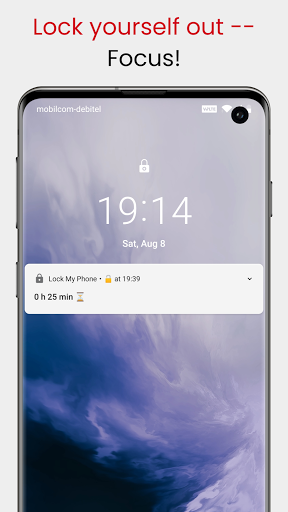
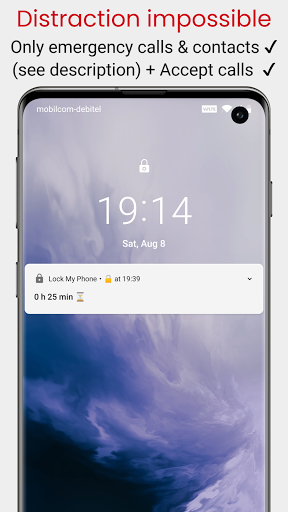
The core functionality revolves around scheduled device lockdowns that require Device Administrator permissions to implement irreversible locking during predetermined time blocks. Unlike similar applications that allow emergency overrides or gradual usage reduction, this tool implements absolute restrictions once activated. Users configure specific time windows during which the device becomes completely inaccessible for all functions except emergency calls and pre-approved applications. The locking mechanism operates at system level, preventing even forced reboots from circumventing the restrictions during active sessions.
User experience centers on stark utilitarianism rather than aesthetic appeal. The interface presents minimal configuration options: timing parameters, emergency contact settings, and whitelist management for essential applications. Real-world usage patterns suggest most users employ the application during work hours, study sessions, or family time when uninterrupted focus proves crucial. The absence of gamification elements or progressive unlocking mechanisms positions this as a tool for those requiring absolute rather than gradual behavioral modification.
With no user reviews available at time of publication, the application's reception remains undocumented in public forums. The developer's YouTube demonstration video indicates the uninstallation process requires specific timing during lockdown release periods, potentially creating usability challenges for less technically adept users. This approach has generated neither widespread praise nor criticism in visible channels, suggesting either limited adoption or users who neither seek nor provide public feedback about their digital abstinence tools.
The application's primary strength lies in its uncompromising approach to digital distraction elimination, though this simultaneously represents its greatest limitation. The requirement for Device Administrator permissions and irreversible locking during active sessions may deter users seeking flexible solutions. Ideal use cases include examination preparation, critical work deadlines, or therapeutic digital detox programs where temporary absolute restriction proves more valuable than nuanced usage management.
Key Features
- •Absolute device locking prevents all access including emergency overrides during active sessions, ensuring complete digital abstinence
- •Scheduled blocking allows pre-configuration of focus periods with specific start and end times for routine establishment
- •Whitelist functionality permits essential applications like phone dialer or specific tools while blocking distractions
- •Device Administrator integration enables system-level restrictions that survive reboots and prevent circumvention
- •Minimalist interface focuses purely on functionality without decorative elements or complex configuration requirements
Why Users Love It
Absolute distraction elimination
No circumvention possible
Perfect for: Users requiring enforced digital detox and absolute focus periods
Screenshots



App Details
Developer
Thomas Kahn
Platform
androidRating
★4.6
Last Updated
9/10/2025